
THE IRELAND AND WMU-GOI BBNJ CLINIC PROGRAMME
Developing capacity in Small Island Developing States (SIDS) and coastal Least Developed Countries (LDCs) to ratify and implement the Biodiversity Beyond National Jurisdiction (BBNJ) Agreement
ABOUT THE BBNJ AGREEMENT

The Agreement under the United Nations Convention on the Law of the Sea on the Conservation and Sustainable Use of Marine Biological Diversity of Areas Beyond National Jurisdiction (BBNJ Agreement) is a landmark international treaty that strengthens the legal framework for the conservation and sustainable use of marine biodiversity in areas beyond national jurisdiction (ABNJ), commonly referred to as the high seas or international waters.
the high seas
Covering approximately 60% of the global ocean and nearly half of the Earth's surface, the high seas form part of the global commons. No single State exercises sovereignty over these areas, instead, their conservation and sustainable management are a shared responsibility of the international community, including both coastal and landlocked States.
Although the United Nations Convention on the Law of the Sea (UNCLOS) provides the overarching legal framework for ocean governance, it did not comprehensively address the conservation and sustainable use of marine biodiversity in ABNJ. Governance of the high seas has therefore long relied on a fragmented system of regional fisheries management organizations, shipping conventions and sector-specific agreements, leaving significant regulatory gaps. As pressures from overfishing, pollution, climate change and emerging activities such as deep-sea mineral exploitation have intensified, the need for a coordinated global framework became increasingly urgent.
the bbnj agreement process
STEP 1.
Preparatory Work & Negotiations
Ahead of 2023
STEP 2.
Adoption
June 19, 2023
STEP 3.
Signature & Ratification
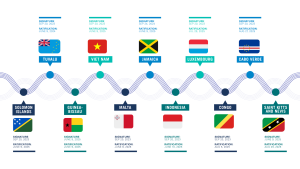
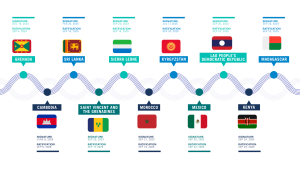
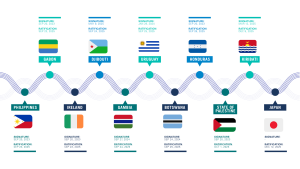
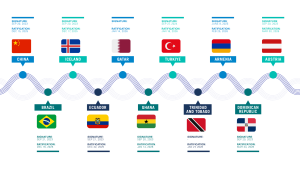
In progress; the threshold was reached on September 19, 2025, with 60 ratifications, officially triggering the 120-day countdown to entry into force
STEP 4.
Entry into force
January 17, 2026
STEP 5.
Implementation & Operationalization
First Conference of the Parties (COP) planned in 2027
the FOUR PILLARS
The Agreement establishes a comprehensive framework built around four interconnected pillars:
Area-Based Management Tools (ABMTs), including Marine Protected Areas (MPAs)
Provide the legal basis for identifying, designating, implementing and monitoring conservation and management measures in ABNJ. This framework enables States to establish coordinated Marine Protected Areas in the high seas, regulate human activities within them, and contribute to global conservation objectives such as protecting 30% of the ocean by 2030.
Environmental Impact Assessments (EIAs)
Require States to assess the potential environmental impacts of planned activities in areas beyond national jurisdiction before authorising them. Through transparent, science-based assessment processes, this pillar promotes precautionary decision-making and helps prevent activities that could significantly harm marine ecosystems.
Marine Genetic Resources (MGRs), including the fair and equitable sharing of benefits
Establish an international framework governing access to marine genetic resources and associated digital sequence information from ABNJ. The Agreement seeks to ensure that scientific knowledge, technological advances and monetary and non-monetary benefits arising from their use are shared fairly among Parties, with particular attention to the needs and interests of developing countries.
Capacity Building and the Transfer of Marine Technology (CB&TMT)
Aims to strengthen scientific, technical, institutional and human capacities, particularly in developing States. By facilitating access to expertise, technology, training and financial support, this pillar promotes equitable participation in the implementation of the Agreement and helps address disparities in national capabilities.
THE CLEARING-HOUSE MECHANISM
A key innovation of the BBNJ Agreement is the establishment of a Clearing-House Mechanism (CHM), which will serve as the Agreement's central digital platform for implementation.
TRANSPARENCY
The CHM will facilitate access to information, scientific data, maps, assessments, records, capacity-building opportunities, technology transfer initiatives and other resources necessary for implementing the Agreement.
Acting as the operational interface between national implementation and international oversight, it will promote transparency, accountability, interoperability and efficient information exchange among Parties and stakeholders.
EXISTING MECHANISM
To maximise efficiency and avoid duplication, the CHM is designed to build upon existing international instruments, databases and scientific initiatives wherever possible.
By connecting established knowledge systems and digital infrastructures, it will strengthen international cooperation while improving access to information, technology and expertise, particularly for developing countries.
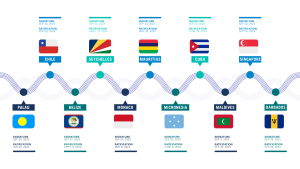
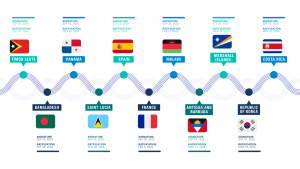
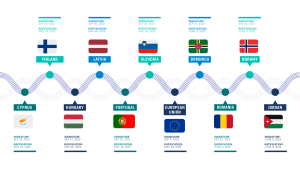
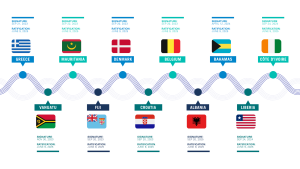
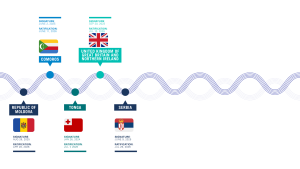
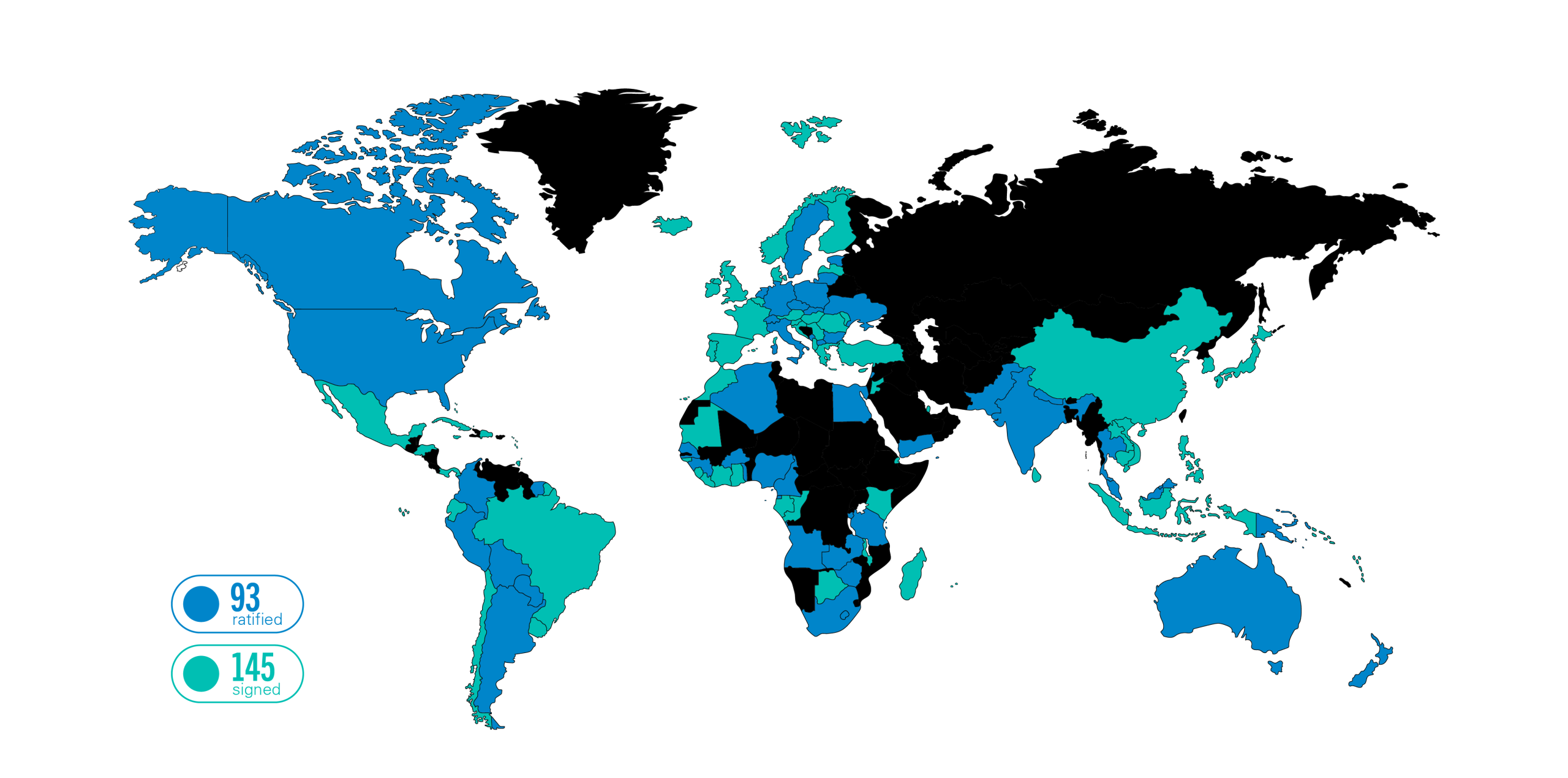
ratification status
THE IRELAND - WMU-GOI BBNJ CLINIC PROGRAMME
OBJECTIVE
The WMU–Government of Ireland BBNJ Clinic Programme is a capacity development initiative designed to support the effective ratification and implementation of the BBNJ Agreement, with a particular focus on Small Island Developing States (SIDS) and coastal Least Developed Countries (LDCs).
FRAMEWORK
Implemented by the WMU-Sasakawa Global Ocean Institute (WMU-GOI) and funded through the Government of Ireland's International Development Programme, the BBNJ Clinic responds to the practical legal, technical and institutional challenges many developing States face as they implement this new international treaty.
CONTEXT
For many SIDS and coastal LDCs, the ocean is central to economic development, food security, livelihoods and cultural identity. At the same time, these States often face significant resource and capacity constraints in translating international obligations into national legislation, policy and practice. The BBNJ Clinic was established to help bridge these gaps through sustained collaboration, technical assistance and knowledge sharing.
CONCEPT
As the first initiative of its kind, the BBNJ Clinic sits at the intersection of education, legal practice and international capacity development. Working in partnership with governments and regional stakeholders, it supports countries in strengthening their legal and institutional preparedness while promoting inclusive participation in the implementation of the Agreement.