
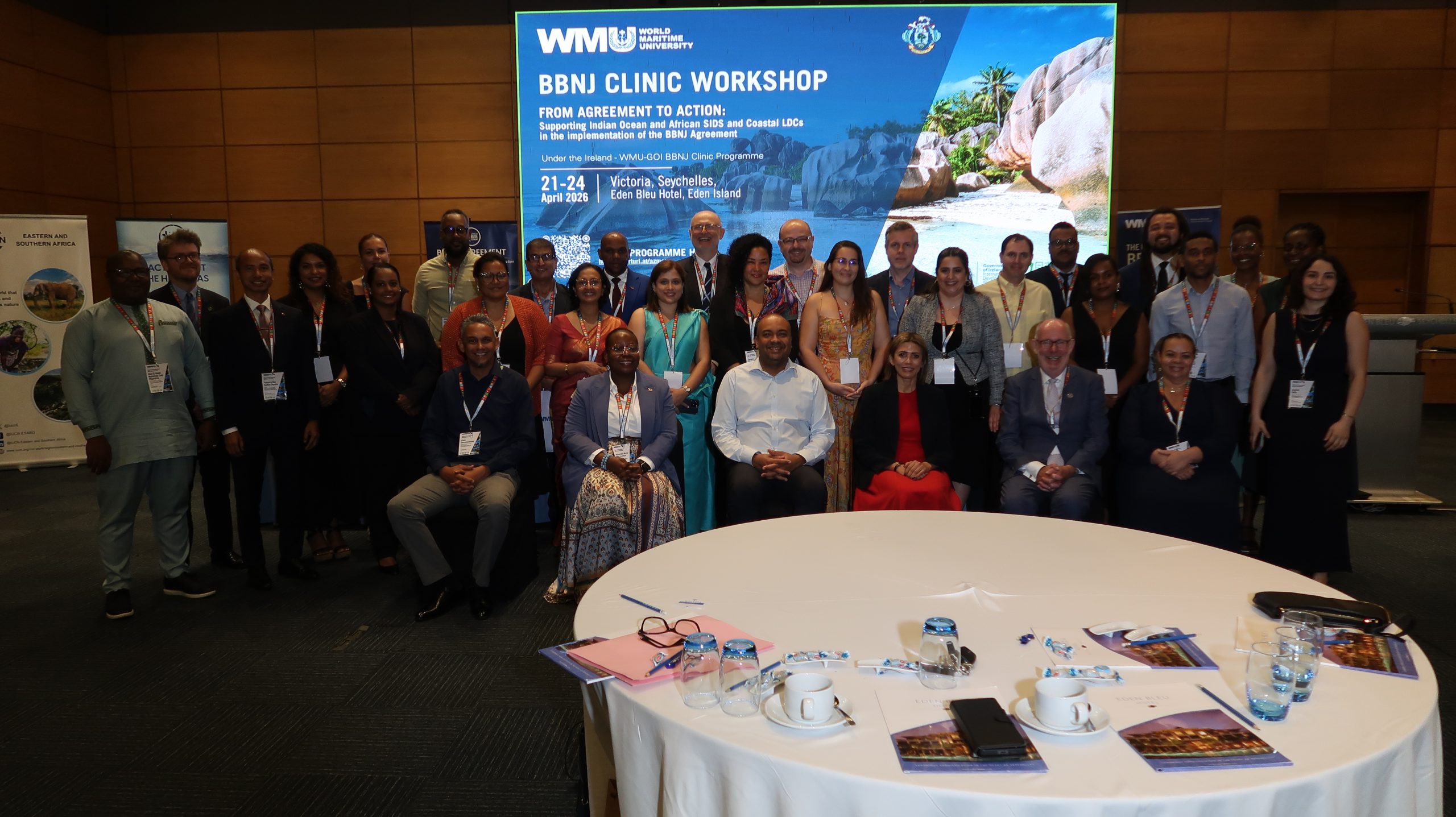
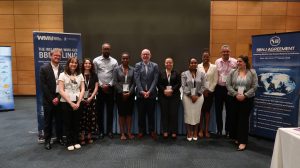
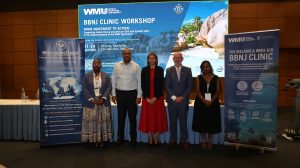
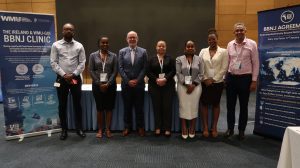
From 21-24 April 2026, the World Maritime University–Sasakawa Global Ocean Institute (WMU-GOI), in collaboration with the Government of Seychelles, Ministry of Fisheries, Agriculture, and Blue Economy, hosted a hybrid High-Level Roundtable and BBNJ Clinic Workshop in Victoria, Seychelles. Convened within the framework of the Ireland WMU–GOI BBNJ Clinic Programme, the event was generously funded by the Government of Ireland - International Development Programme and sponsored by The Nippon Foundation and the International Union for Conservation of Nature (IUCN) Eastern and Southern Africa Regional Office (ESARO) through the IUCN BBNJ Africa project funded by the Bloomberg Ocean Fund and the Minderoo Foundation.
high level roundtable and bbnj clinic workshop
From Agreement to Action: Supporting Indian Ocean and African SIDS and Coastal LDCs in the implementation of the BBNJ Agreement”
The High-level Roundtable and BBNJ Clinic Training Workshop, titled “From Agreement to Action: Supporting Indian Ocean and African SIDS and Coastal LDCs in the implementation of the BBNJ Agreement,” was a practical, capacity-sharing initiative aimed at addressing the specific needs of Indian Ocean and African Small Island Developing States (SIDS) and Coastal Least Developed Countries (LDCs) in the implementation of the BBNJ Agreement.
The BBNJ Agreement or Agreement under the United Nations Convention on the Law of the Sea on the Conservation and Sustainable Use of Marine Biological Diversity of Areas beyond National Jurisdiction (the BBNJ Agreement), which was adopted on 19 June 2023 under the auspices of the United Nations, and entered into force on 17 January 2026. Currently the Agreement has 88 ratifications to date, representing a major milestone in global ocean governance and the protection of Marine Biodiversity Beyond National Jurisdiction.
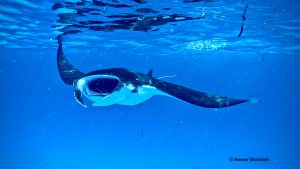
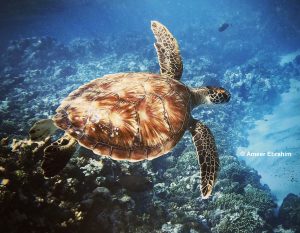
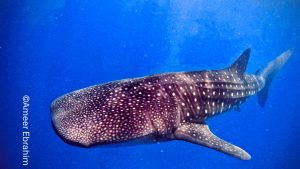
©Ameer Ebrahim
HIGH-LEVEL ROUNDTABLE
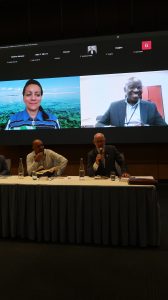
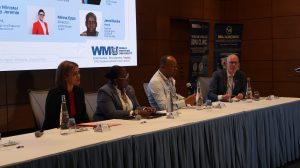
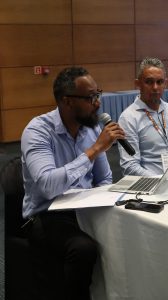
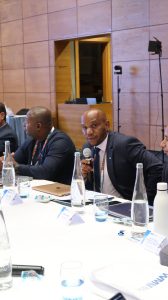
The discussions highlighted that the BBNJ Agreement is a transformative opportunity to strengthen ocean conservation and equity, with states acting as stewards of the shared ocean on behalf of present and future generations. Its success, however, will depend on translating global commitments into concrete national and regional action. This would require robust cooperation, legal alignment, capacity-building, and inclusive partnerships to effectively protect and manage the ocean. Participants stressed the critical role of Governments and other national and regional actors in harnessing the potential of the BBNJ Agreement to benefit SIDS and LDCs.
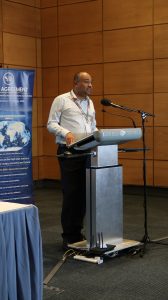
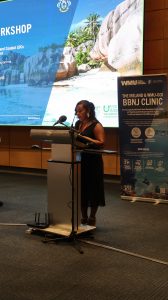
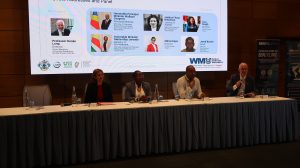
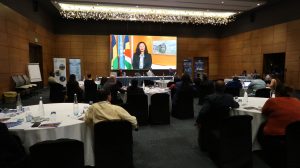
TECHNICAL SESSIONS
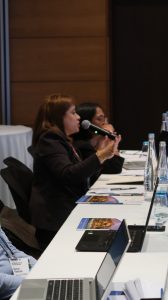
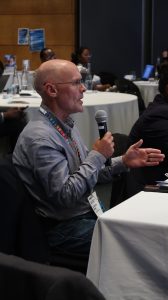
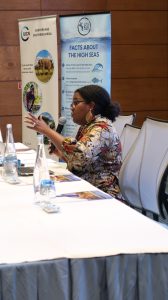
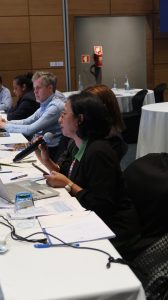
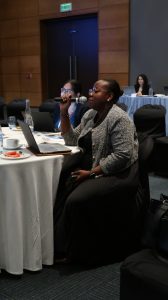
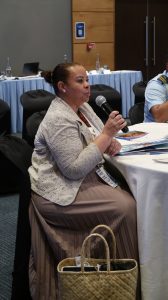
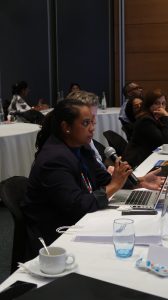
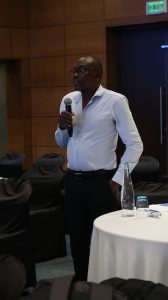
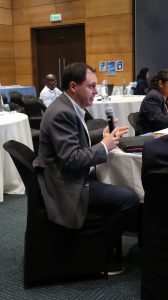
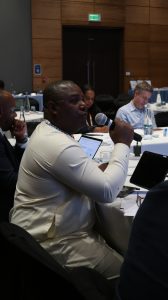
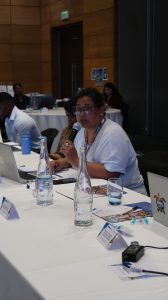
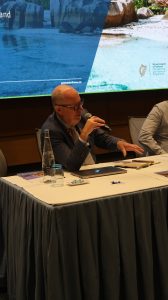
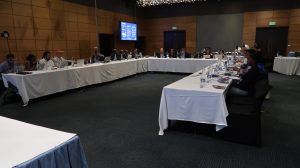
The Technical Workshop Programme opened on 22 April with sessions devoted to States’ ratification experiences and expectations about implementation, alongside Intergovernmental, civil society, and academic perspectives on the implementation of the Agreement.
Their interventions reflected varying stages of ratification and domestication, while revealing common challenges such as limited technical capacity, insufficient access to data, and the need for sustainable financing mechanisms. Participants stressed that while significant progress has been made, national assessments, cross-ministerial coordination, and regional cooperation remain essential to ensure effective operationalization of the Agreement ahead of the first Conference of the Parties in January 2027.
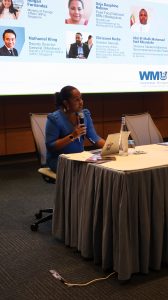
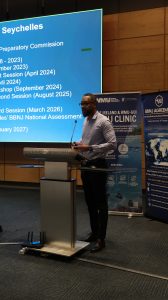
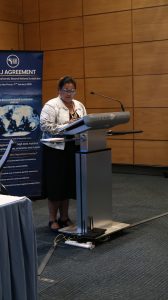
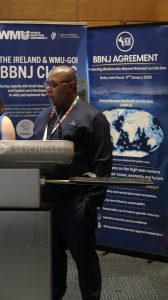
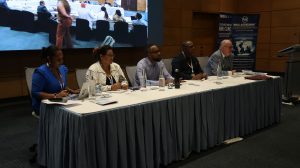
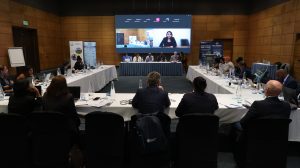
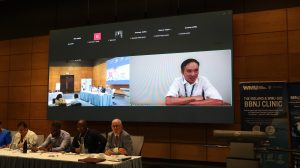
The session emphasised that while momentum for ratifying the BBNJ Agreement is strong, the real challenge lies in implementation, which will require legal alignment, capacity-building, financing, and access to data. Success will depend on coordinated global and regional cooperation, robust institutional and scientific support, and ensuring that SIDS and developing states are fully included and equipped to participate effectively and meaningfully.
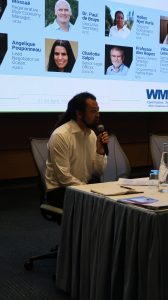
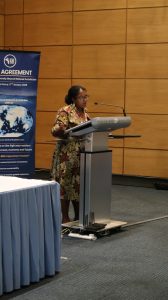
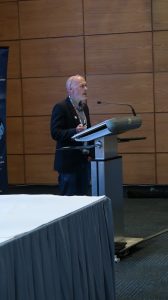
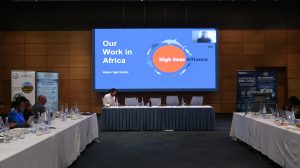
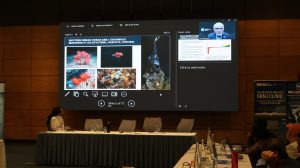
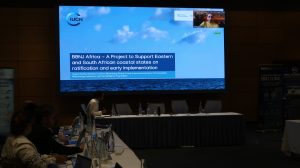
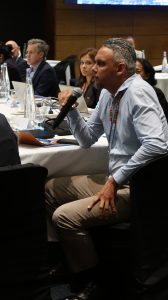
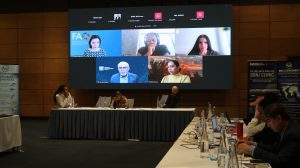
Four technical drafting sessions spread across two days of the workshop - from 22 to 23 April - followed, covering the four major components of the Agreement: Area Based Management Tools (ABMTs) including Marine Protected Areas (MPAs); Capacity-Building and the Transfer of Marine Technology (CBTMTs); Environmental Impact Assessments (EIAs) and Marine Genetic Resources (MGRs) and Benefit Sharing (BS).
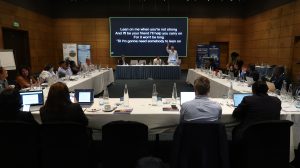
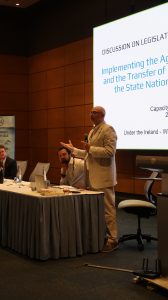
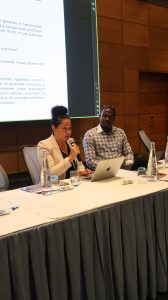
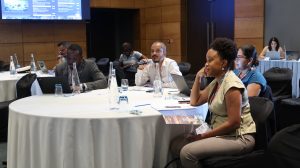
The emphasis of these sessions was to provide a forum for State delegates and other experts to share knowledge and experiences, with particular attention to commonalities and differences in how implementation is likely to take shape, from a legal perspective, at national level. Discussions underscored that effective implementation depends not only on legal provisions but also on practical capacities, including monitoring systems, inter-agency coordination, and addressing geopolitical and transboundary issues such as fisheries management and maritime crime. Capacity-building and technology transfer emerged as cross-cutting enablers, with participants emphasising the importance of sustainable funding, institutional cooperation, the retention of expertise, and the integration of these elements into domestic frameworks to ensure long-term effectiveness. Participants further highlighted the need for coherent, adaptable legislation underpinned by transparent procedures and stakeholder engagement. They also called for closer integration with existing regimes such as the Nagoya Protocol, clearer allocation of responsibilities for benefit-sharing and notification, and sustained engagement with emerging issues such as intellectual property, traditional knowledge, and long-term capacity development to ensure equitable and effective implementation.
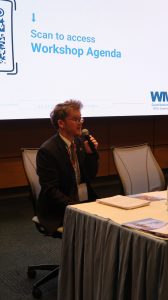
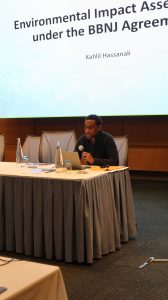
cultural field trip
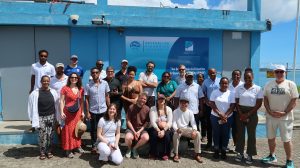
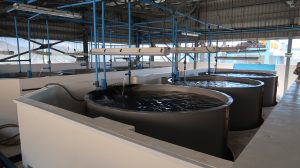
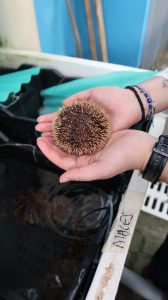
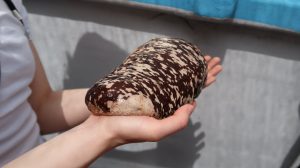
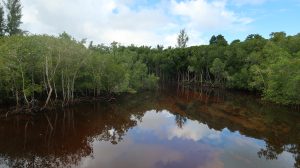
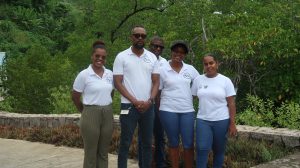
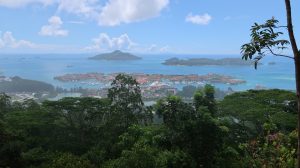
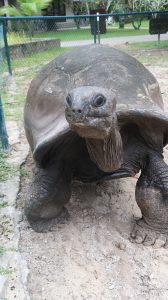
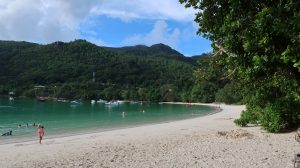
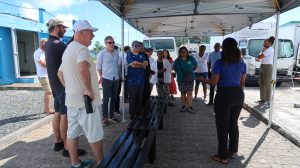
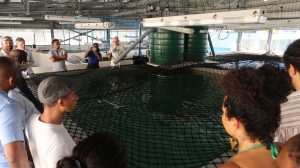
The event concluded with a cultural field tour on the 24th with insightful visits to the Seychelles Fisheries Authority’s Aquaculture Broodstock, Acclimation and Quarantine Facility as well as the Port Launay Wetlands and Constance Ephelia Mangrove site.
conclusion
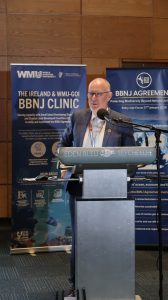
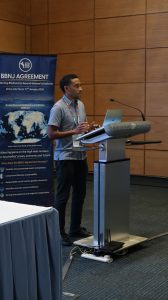
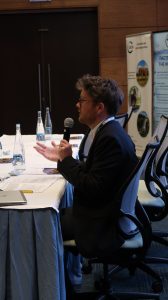
Overall, the event brought together a diverse network of experts, including legal professionals, government officials, and representatives of regional, intergovernmental and non-governmental organizations, who served as panelists and discussants to reflect on the significance of the Agreement and explore pathways for its effective implementation. In total, more than 90 participants from over 32 countries were invited to take part with a gender distribution of 59% female and 41% male.
The exchanges spanning the three days afforded the BBNJ Clinic Team a deeper appreciation of the regional context including the opportunities, challenges and capacity needs facing each member state in the ratification and implementation processes; and will inform the design of the forthcoming activities under the programme.
learn more
For more information on the event, please find the post-event documents below.
ABOUT THE world maritime university
The World Maritime University (WMU) in Malmö, Sweden is established within the framework of the International Maritime Organization, a specialized agency of the United Nations. The mission of WMU is to be the world centre of excellence in postgraduate maritime and oceans education, professional training and research, while building global capacity and promoting sustainable development. WMU is an organization by and for the international maritime community and is committed to the United Nations Sustainable Development Goals Agenda.
About THE WMU-SASAKAWA GLOBAL OCEAN INSTITUTE
The World Maritime University’s WMU-Sasakawa Global Ocean Institute (WMU-GOI) is an independent focal point for the ocean science-policy-law-industry-society interface where policymakers, the scientific community, regulators, industry actors, academics, and representatives of civil society meet to discuss how best to manage and use ocean spaces and their resources in accordance with the United Nations 2030 Agenda for Sustainable Development. The Institute was inaugurated in May 2018 and made possible through generous support from The Nippon Foundation of Japan, the Governments of Sweden, Canada, and Germany, as well as the City of Malmö
ABOUT the Ministry of Fisheries, Agriculture, and Blue Economy - Republic of Seychelles
The Ministry of Fisheries, Agriculture and Blue Economy (MFABE) oversees the sustainable management and development of the country’s marine and land-based resources to support national growth. It is responsible for regulating and promoting fishing activities and enhancing the productivity and value of fisheries. At the same time, it supports agricultural development by improving local crop and livestock production, assisting farmers, and strengthening food security to reduce reliance on imports. In addition, the Ministry guides the development of ocean-based economic activities by promoting the sustainable use of coastal and marine resources, encouraging investment, and ensuring environmental protection. Through these combined responsibilities, the Ministry plays a key role in balancing economic development, environmental sustainability, and the well-being of the population in Seychelles.
ABOUT the bbnj clinic programme
Funded by Ireland, the BBNJ Clinic Programme is implemented by the WMU-GOI with the aim to assist Small Island Developing States (SIDS) and Least Developed Countries (LDCs) in ratifying and implementing the Agreement under the United Nations Convention on the Law of the Sea on the Conservation and Sustainable Use of Marine Biological Diversity of Areas beyond National Jurisdiction (BBNJ Agreement)BBNJ Agreement. The Clinic offers legal and policy support to ensure inclusive participation in ocean governance.