
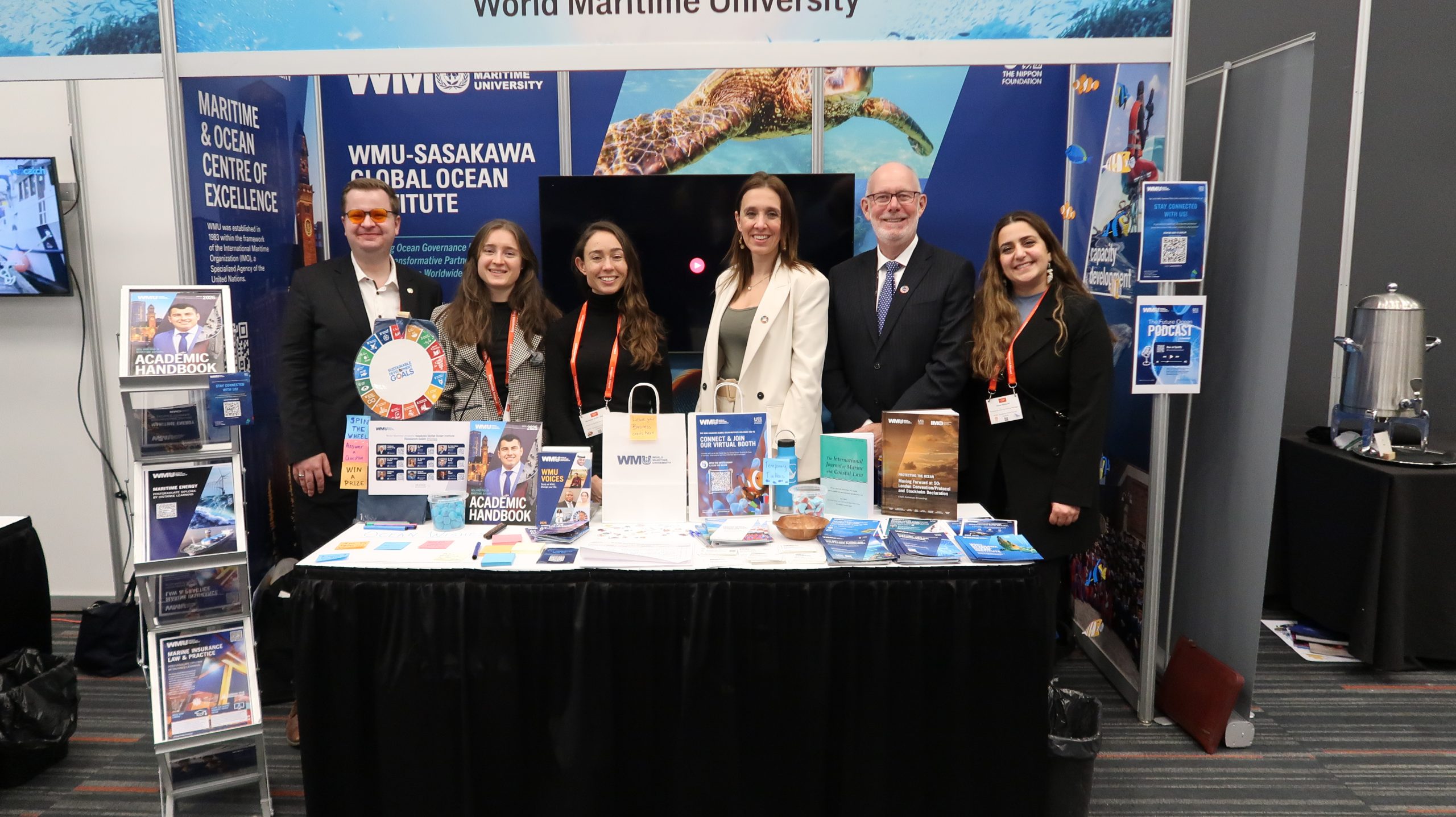
From 3–5 March, the World Maritime University (WMU)–Sasakawa Global Ocean Institute (GOI)participated in the Economist Impact13th annual World Ocean Summit and Expo in Montréal, Canada. Held under the theme “Innovate, protect, prosper: securing our ocean future,” the summit focused on advancing practical solutions for ocean sustainability and supporting implementation of international ocean agreements. Discussions also explored how emerging science and increased investment can strengthen global ocean protection.
WMU–SASAKAWA GLOBAL OCEAN INSTITUTE AT THE WORLD OCEAN SUMMIT 2026
INSPIRE OCEAN LEADERSHIP THROUGH EDUCATION, RESEARCH, AND INNOVATION
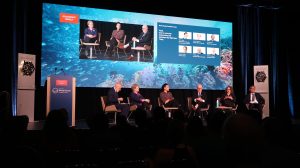
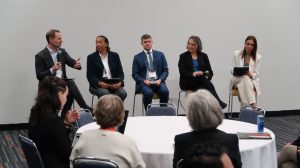
WMU-GOI participated as an official exhibitor, hosting an Expo booth and contributing to programme discussions on the Biodiversity Beyond National Jurisdiction (BBNJ) Agreement. The Institute highlighted the work of its Future Ocean Programme and BBNJ Clinic Programme. in supporting implementation of the Agreement, alongside its broader research on ocean governance, technology, and the role of non-state actors in ocean protection.
BBNJ AGREEMENT IMPLEMENTATION
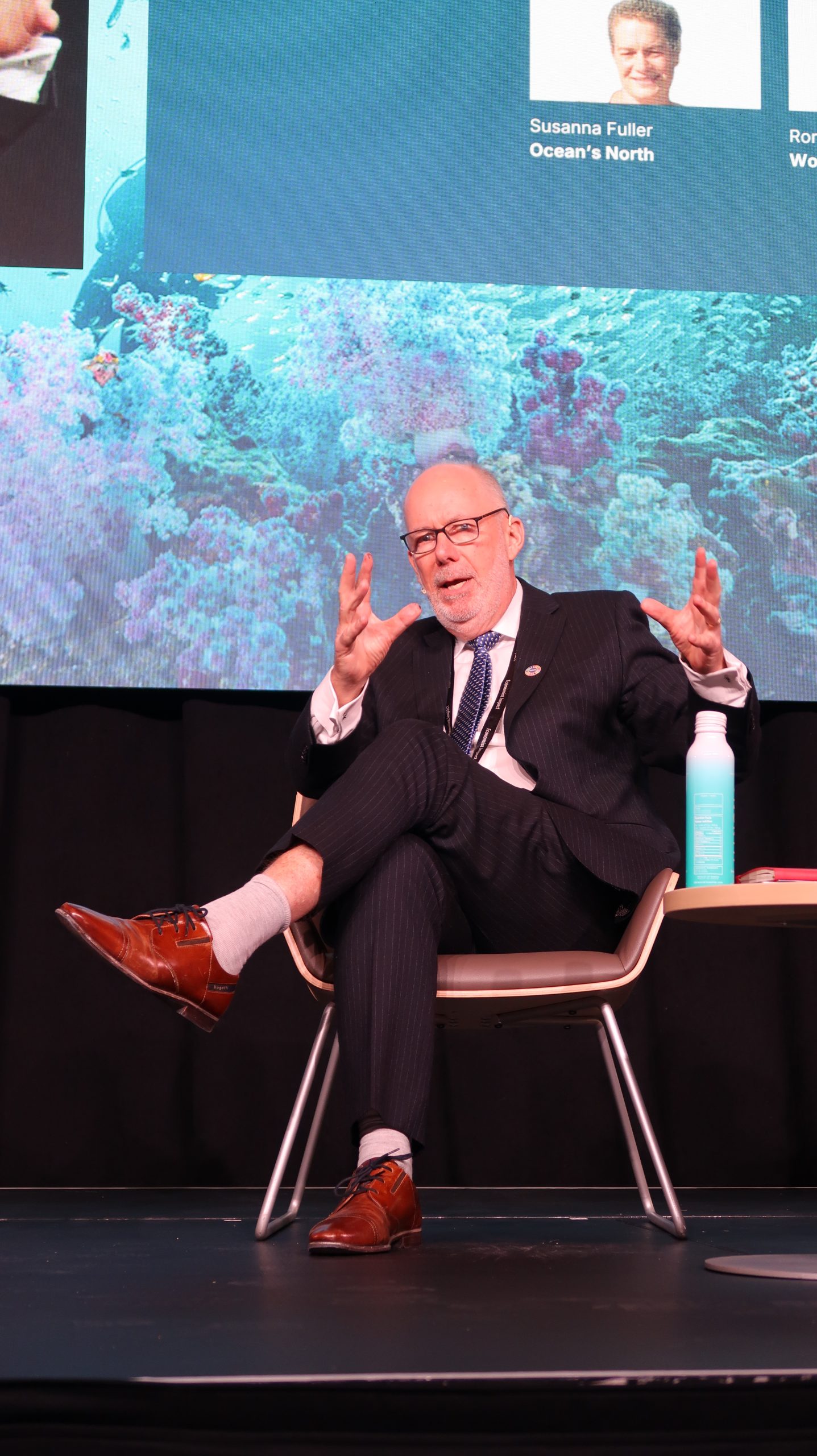
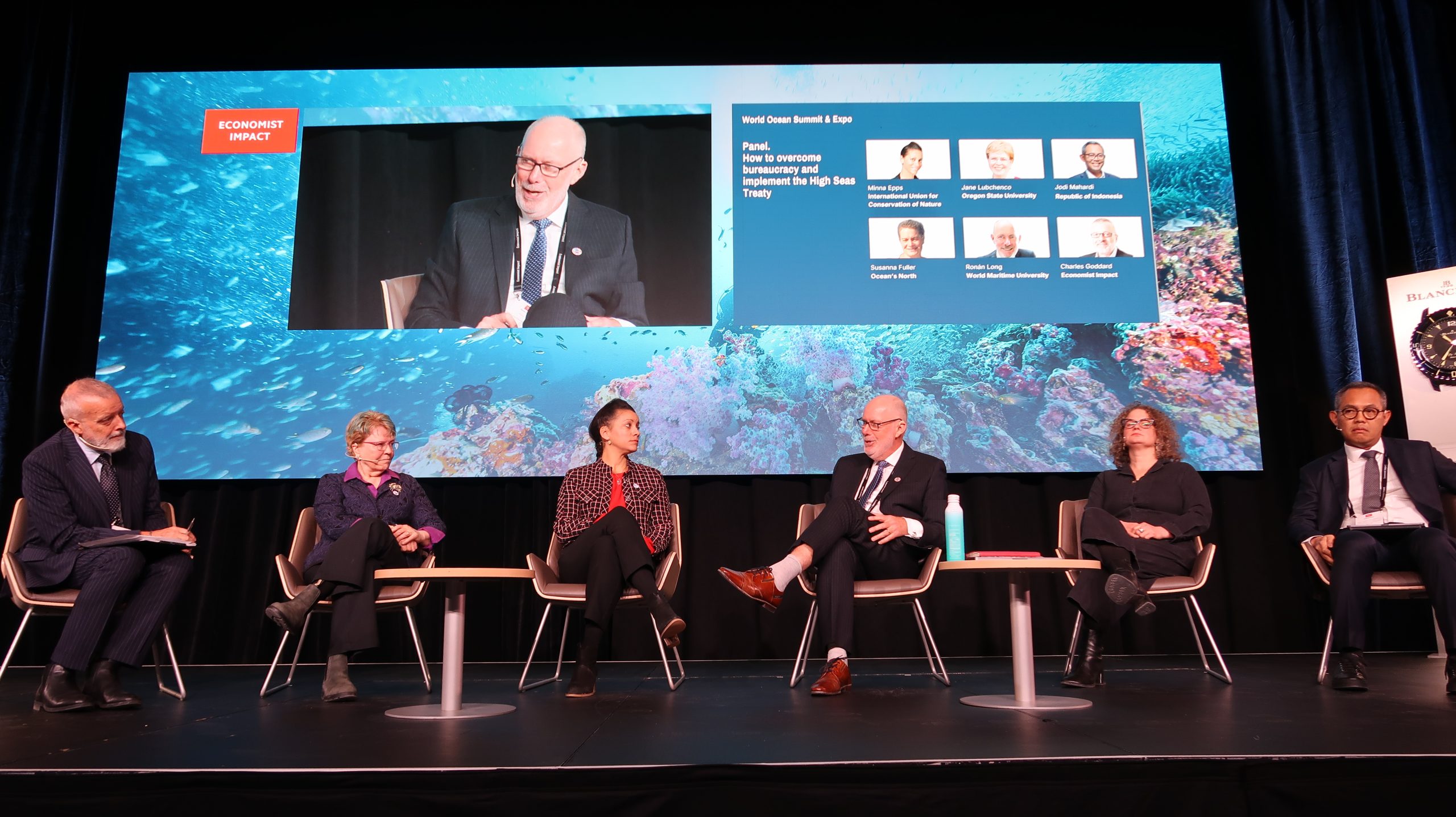
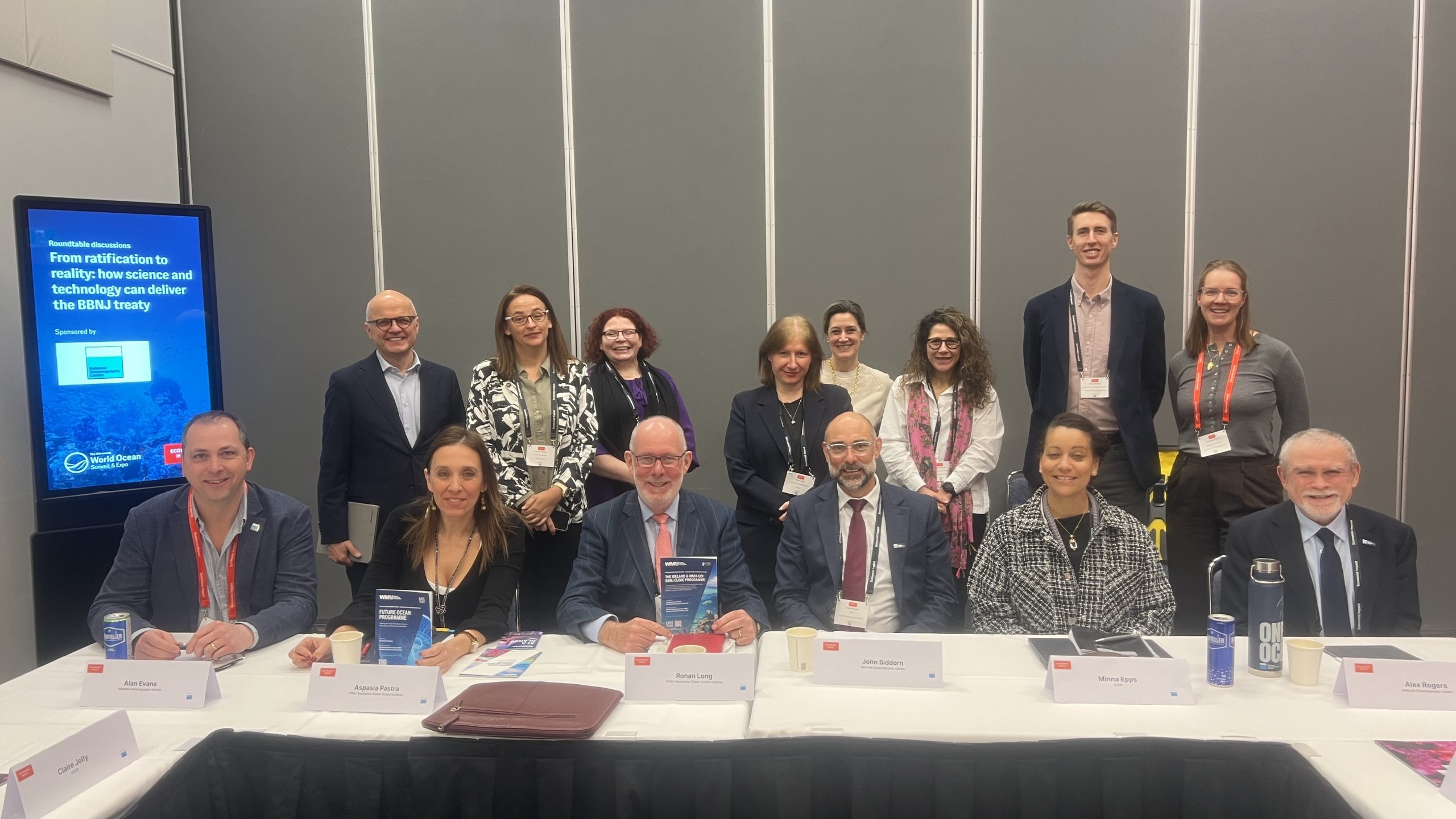
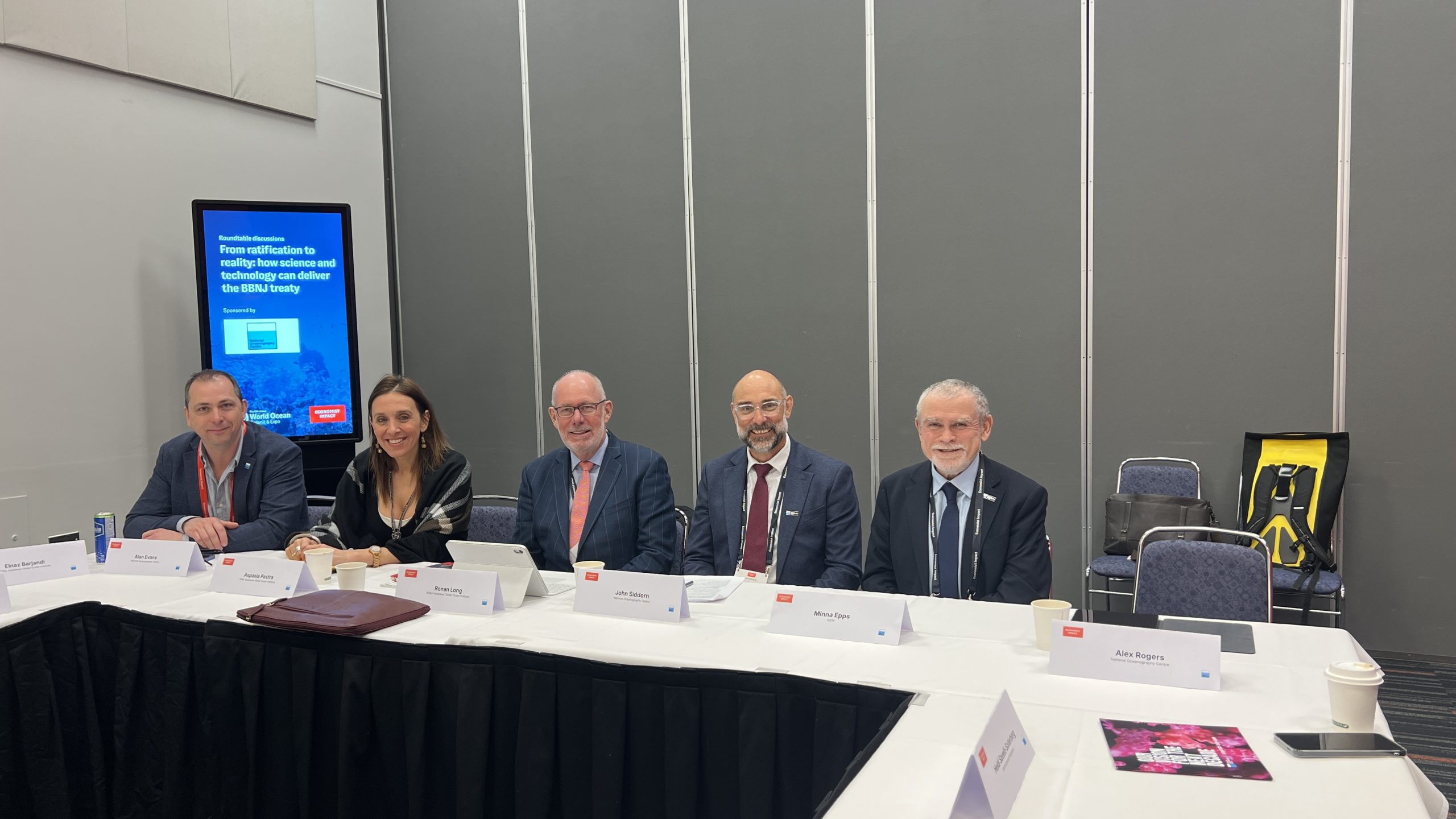
Professor Long also moderated the roundtable “From Ratification to Reality: How Science and Technology Can Deliver the BBNJ Treaty,” hosted by the National Oceanography Centre (NOC). The discussion explored how best available science, innovation, technology transfer, and capacity sharing can support effective protection of biodiversity beyond national jurisdiction. Panelists included WMU Assistant Professor Aspasia Pastra alongside experts from NOC and the International Union for Conservation of Nature (IUCN).
OCEAN DATA AND OBSERVATION
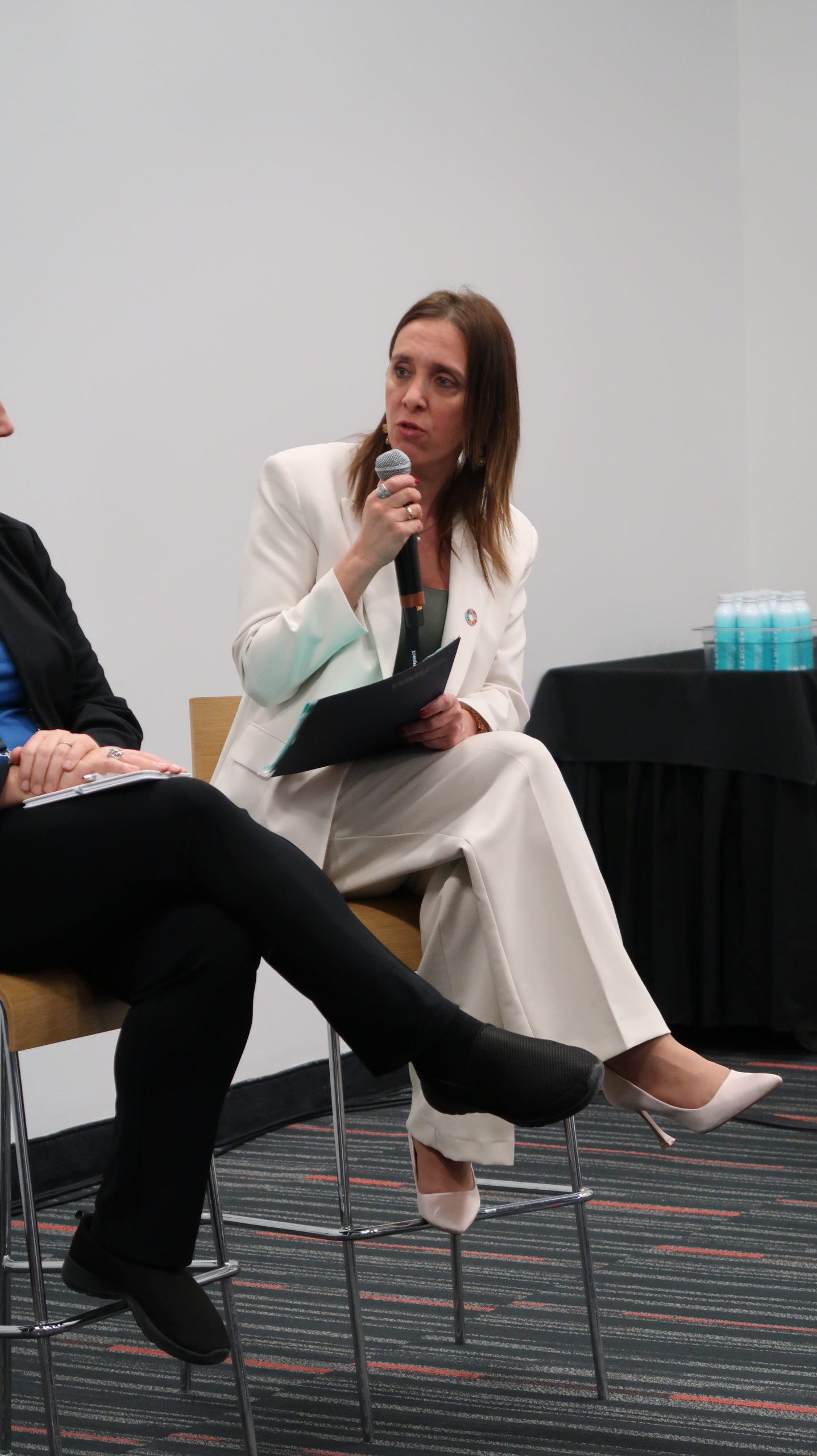
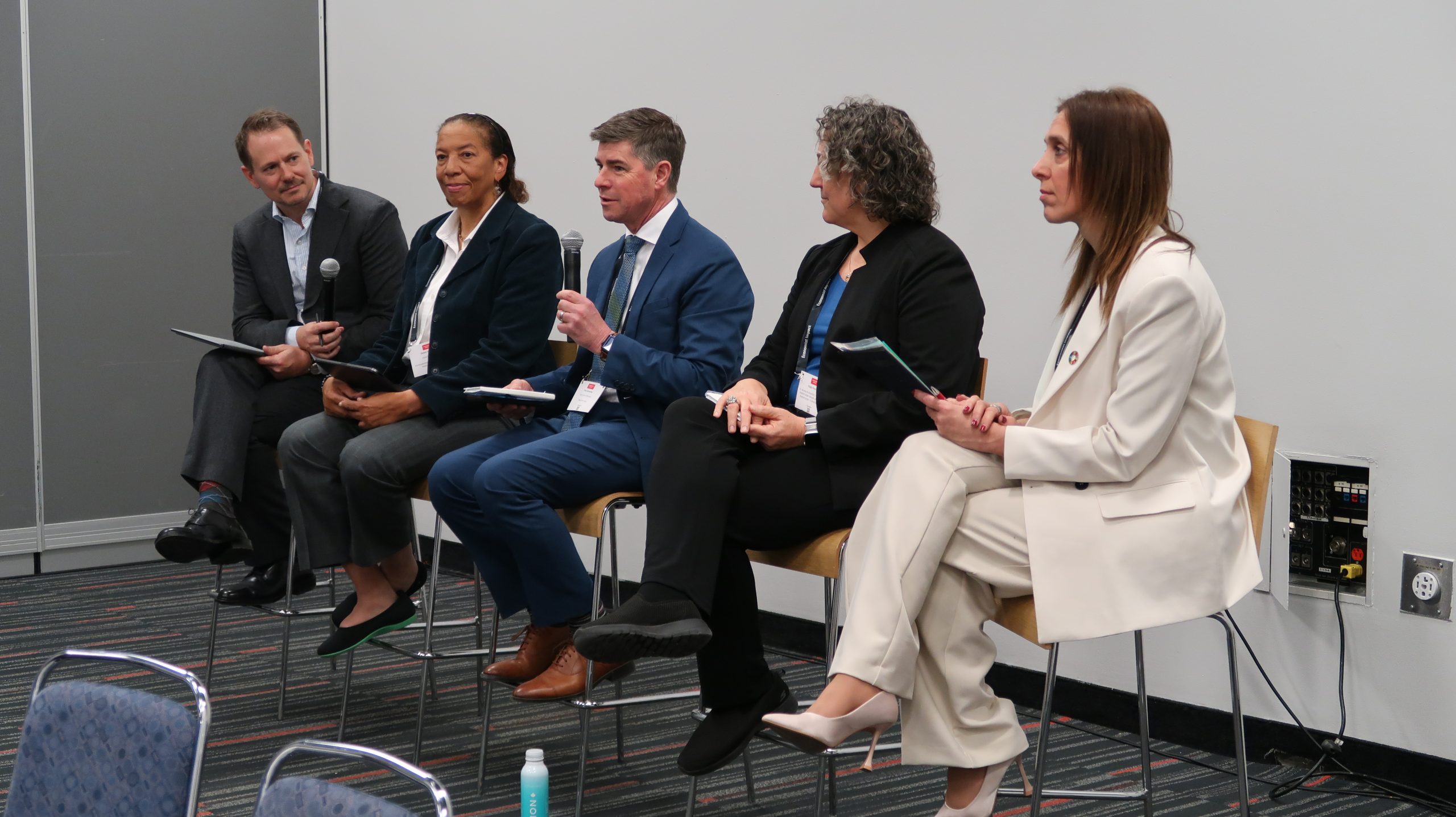
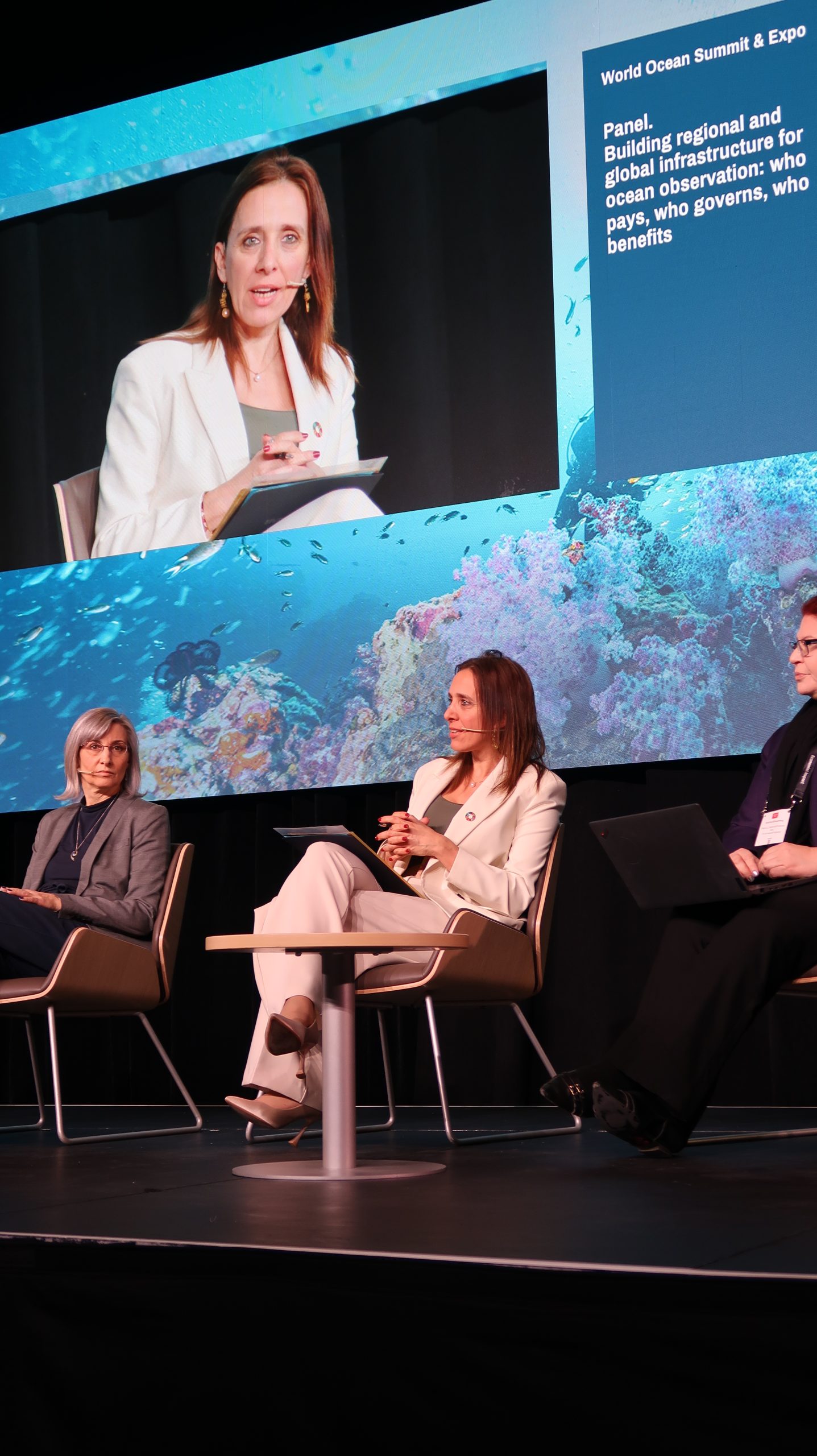
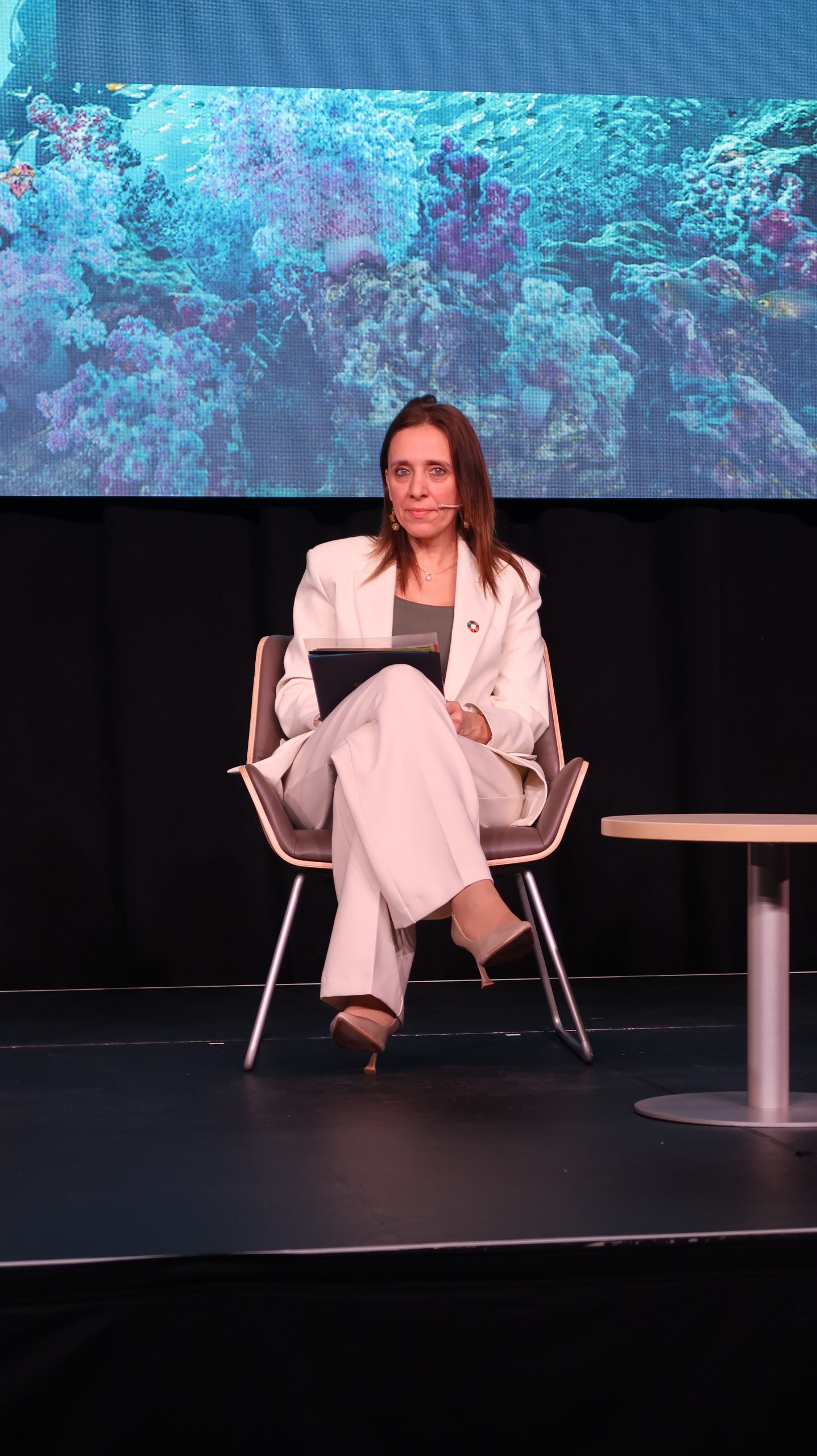
Dr Pastra also participated in the panel “Building Regional and Global Infrastructure for Ocean Observation: Who Pays, Who Governs, Who Benefits?” where she highlighted the importance of interoperability, shared data standards, and sustainable funding models to ensure ocean observation technologies effectively support science, policy, and international cooperation.
EXPO BOOTH AND ENGAGEMENT
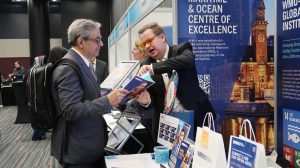
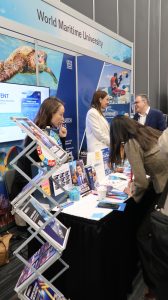
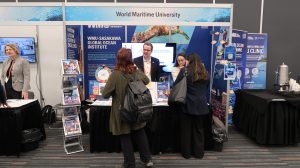
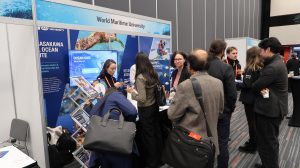
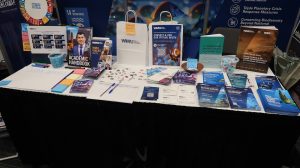
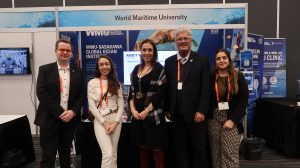
At the Expo booth, the WMU-GOI team presented the work of the World Maritime University and the Institute while engaging with participants on potential collaboration in research, events, and global ocean literacy initiatives. Visitors were also invited to share their perspectives on the future of the oceans, which will be compiled into a video output for the Future Ocean Programme.
SIDE EVENT ON OCEAN LITERACY
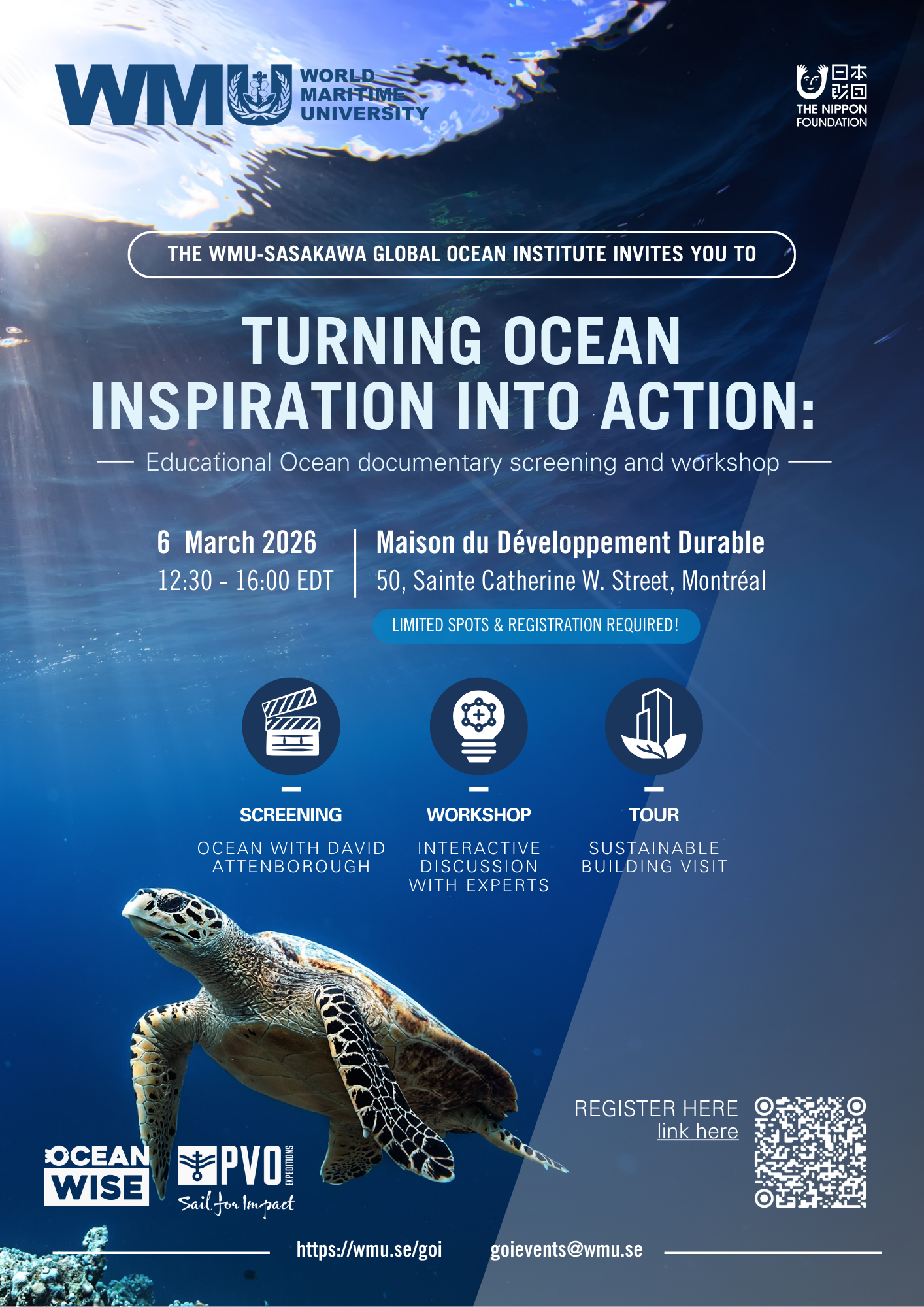
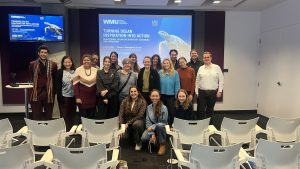
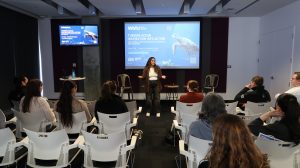
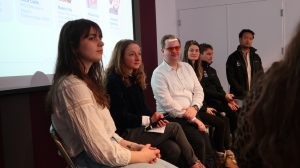
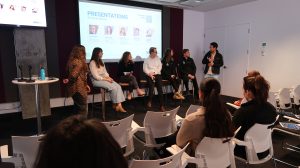
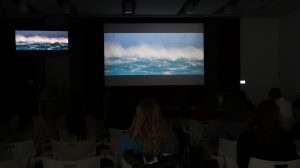
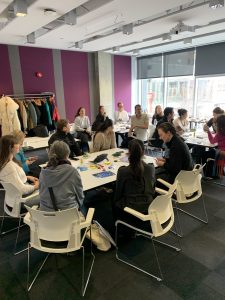
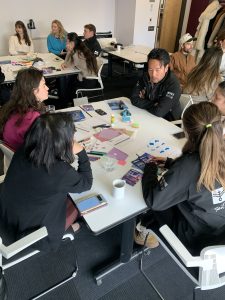
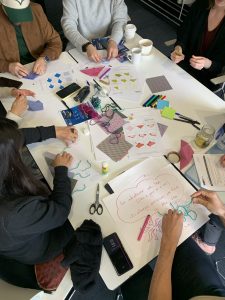
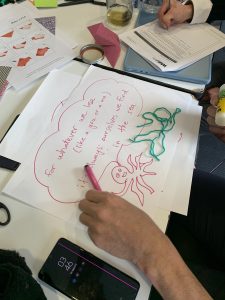
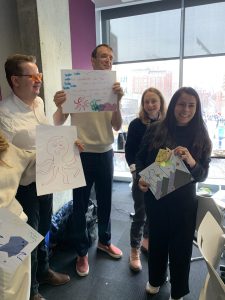
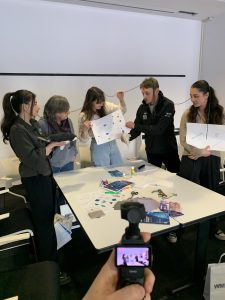
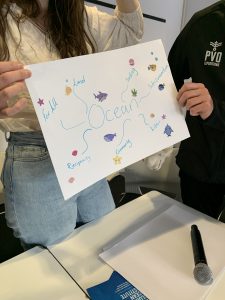
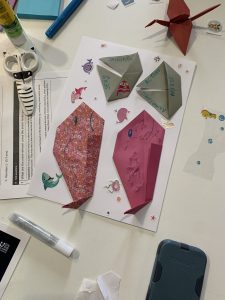
On 6 March, WMU-GOI hosted a side event titled “Turning Ocean Inspiration into Action: Educational Ocean Documentary Screening and Workshop,” organized with PVO Expeditions, Ocean Wise, and Université du Québec à Montréal. The event focused on ocean literacy and youth engagement and included a screening of Ocean with David Attenborough, followed by an interactive workshop where participants proposed practical actions to strengthen ocean literacy, empower youth, and foster collaboration.


learn more
FOR MORE INFORMATION ON THE EVENT, PLEASE FIND THE POST-EVENT DOCUMENTS BELOW.



ABOUT THE world maritime university
The World Maritime University (WMU) in Malmö, Sweden is established within the framework of the International Maritime Organization, a specialized agency of the United Nations. The mission of WMU is to be the world centre of excellence in postgraduate maritime and oceans education, professional training and research, while building global capacity and promoting sustainable development. WMU is an organization by and for the international maritime community and is committed to the United Nations Sustainable Development Goals Agenda.
About THE WMU-SASAKAWA GLOBAL OCEAN INSTITUTE
The World Maritime University’s WMU-Sasakawa Global Ocean Institute (WMU-GOI) is an independent focal point for the ocean science-policy-law-industry-society interface where policymakers, the scientific community, regulators, industry actors, academics, and representatives of civil society meet to discuss how best to manage and use ocean spaces and their resources in accordance with the United Nations 2030 Agenda for Sustainable Development. The Institute was inaugurated in May 2018 and made possible through generous support from The Nippon Foundation of Japan, the Governments of Sweden, Canada, and Germany, as well as the City of Malmö
ABOUT ATHENS PIL
The Athens Public International Law Center (Athens PIL), founded in July 2015 and operating within the Faculty of Law of the National and Kapodistrian University of Athens, is an academic research institution dedicated to the study and promotion of international law, including in particular the law of the sea. Its mission focuses on advancing international law through teaching, research, and scholarly activities, fostering an international academic community, and contributing to the development of international law through seminars, conferences, training programmes, and cooperation with academic institutions and international organizations worldwide.
ABOUT THE BBNJ CLINIC PROGRAMME
Funded by Ireland, the BBNJ Clinic is implemented by the WMU-GOI with the aim to assist Small Island Developing States (SIDS) and Least Developed Countries (LDCs) in ratifying and implementing the BBNJ Agreement. The Clinic offers legal and policy support to ensure inclusive participation in ocean governance.